Robotics News, Knowledge & Insight since 2008

Robotics > Robotics Learning

Introduction to ROS -

ROS nodes concept

Robot Operating System (ROS) is an open source, flexible software framework* used for building and controlling robots. Despite its name, ROS should not be confused with a traditional operating system because it runs on top of existing operating systems like Linux or Ubuntu. It does not replace an operating system; it only provides tools, conventions, and software libraries* for robot building and development. A robot […] Read More

Robot Simulators and Physics Engines -

In this post we will take a look at robot simulators and physics engines which should be discussed together. Robot Simulator: Basically a robot simulator is a computer program that facilitates building and testing of robots in a virtual environment. Some key points: Firstly, robot simulators help save great deal of time and money by elimination of physical prototypes and testing, at least during a […] Read More

Robot Actuation Systems -

Actuation in robotics means the systems that enable physical movement. The most common ways of actuation are by electric motors, pneumatic and hydraulic systems, which we will introduce below. But note that there are other actuation systems as well, achieved by shape memory alloys, piezoelectric action, electromagnetism, movement achieved through thermal properties of materials and more. Now let’s take a closer look at Electric motor, […] Read More

Optimizing mobile robot power efficiency -

Optimizing mobile robot power efficiency The basic physical body of the robot should be understood and optimized first. Robot should be as lightweight as possible, unless high mass (for weight or inertia) is needed for a specific reason. Friction between moving parts should be minimized except for the parts that need a certain amount of friction. The components must be energy efficient, such as motors, […] Read More

Robotic arm gripper key design considerations -

The purpose of a robotic gripper is to effectively manipulate and grasp objects. First of all, the system for gripping must be chosen. Such as two or more finger grippers, parallel jaw grippers, suction grippers and other types. Some grippers are designed for only specific types of objects, which makes the design easier. Let’s list some key factors to consider: Gripping force. This should be […] Read More

Improving Stability of Bipedal Robots -

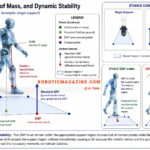
When building bipedal robots (robots that walk on 2 legs), ensuring stability is a primary objective. The following strategies are among the most important: 1- First of all, before even considering the rest, we need to make the physical shape and mass distribution as good as possible for a proper, stable stance. This simply means-the center of mass is as low as possible, (for example […] Read More

What are co-bots? -

Co-bot stands for “collaborative robots”. These robots are designed to work alongside humans, by performing repetitive or heavy tasks, which would greatly ease the burden on the human worker while he or she can focus on tasks that require higher skills. A critical item for making this possible is to implement certain safety mechanisms on these robots, in order to prevent harm to humans. This […] Read More

Free online robotics course for beginners -

In University of Reading of England, a free, 4-week online robotics course is offered for beginners to robotics. Begin Robotics is targeted, primarily, at 14 – 18 year olds who are interested in robots and/or the possibility of studying robotics at University. It doesn’t assume any prior knowledge and is open to anyone, around the world however, so will no doubt attract a much broader […] Read More